YOU
Mostly four elements
Oxygen, carbon, hydrogen and nitrogen make up about 97% of your body's weight, a Vanderbilt University chemist told Live Science.
Pick a thing doodleeverything
00WHAT THE CHEMISTRY SAYS
A short list builds a long world.
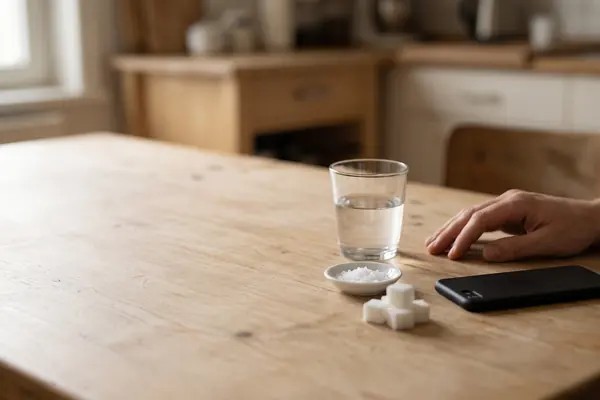
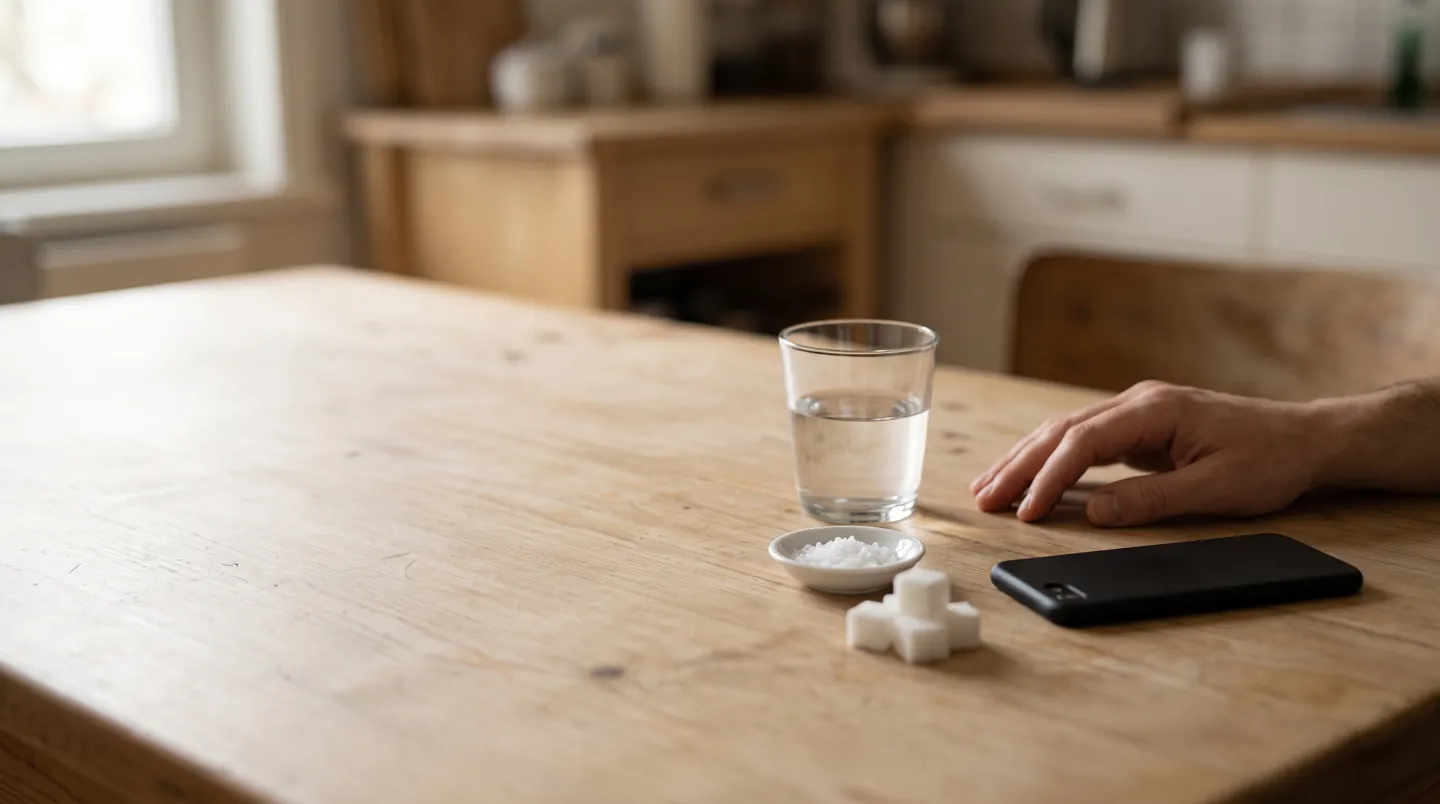
Water, table salt, sugar, your own body and the phone in your pocket are all made from chemical elements. Some need just two. A phone needs dozens.
Pick a thing01Principles
02THE SHORT ANSWER
An element is a pure substance that ordinary chemistry
cannot break down. Everything else is built from them.
YOU
Oxygen, carbon, hydrogen and nitrogen make up about 97% of your body's weight, a Vanderbilt University chemist told Live Science.
Pick a thingTHE KITCHEN
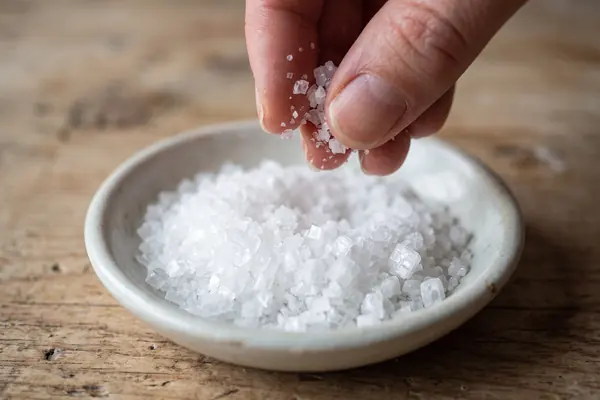
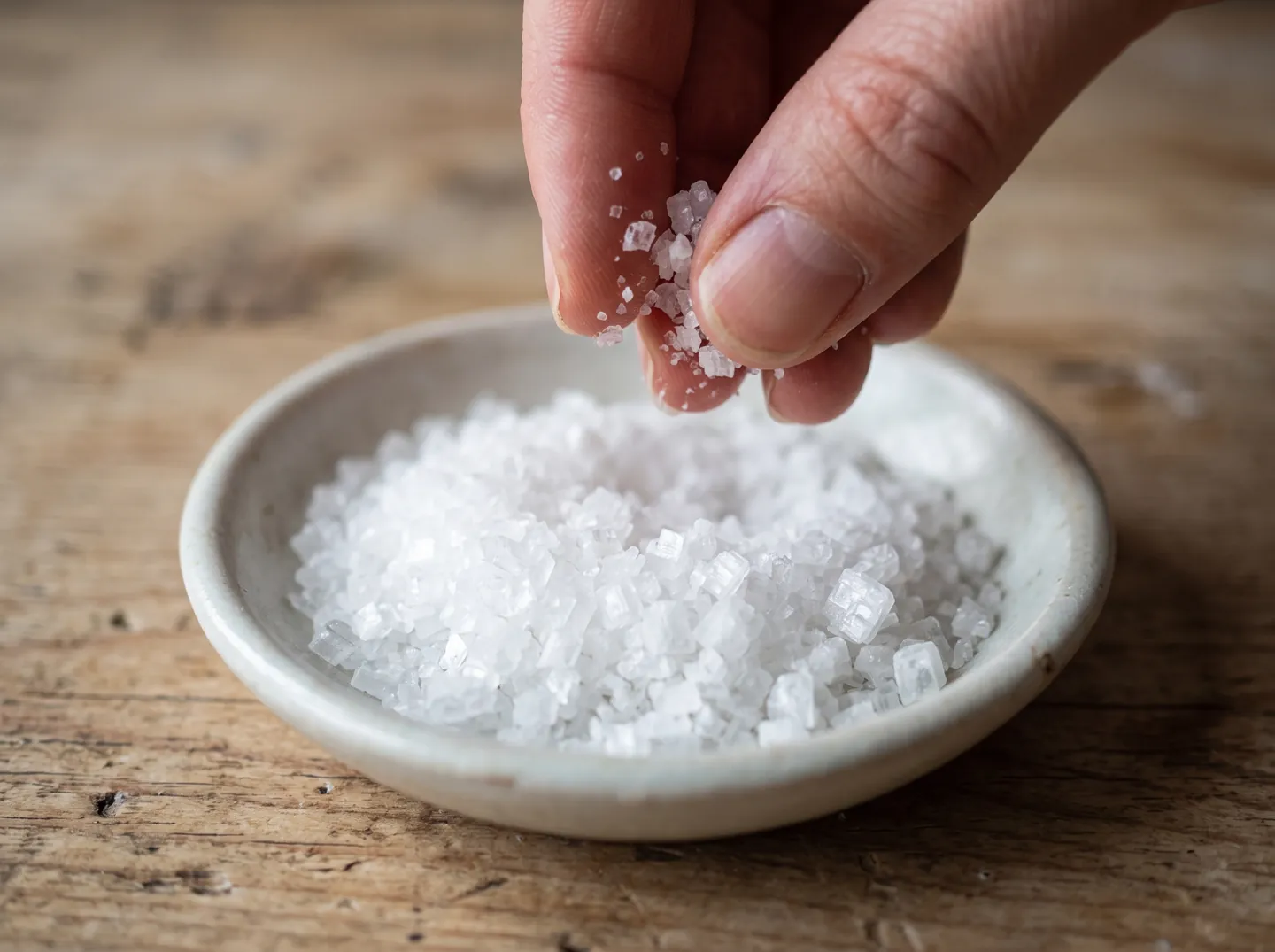
Water is hydrogen and oxygen. Table salt is sodium chloride: sodium and chlorine joined together.
Spot them at homeYOUR PHONE
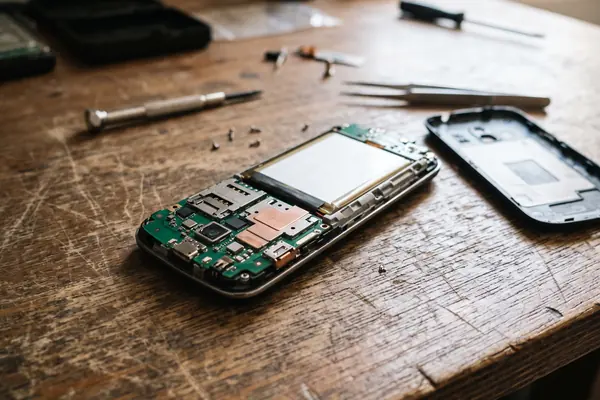
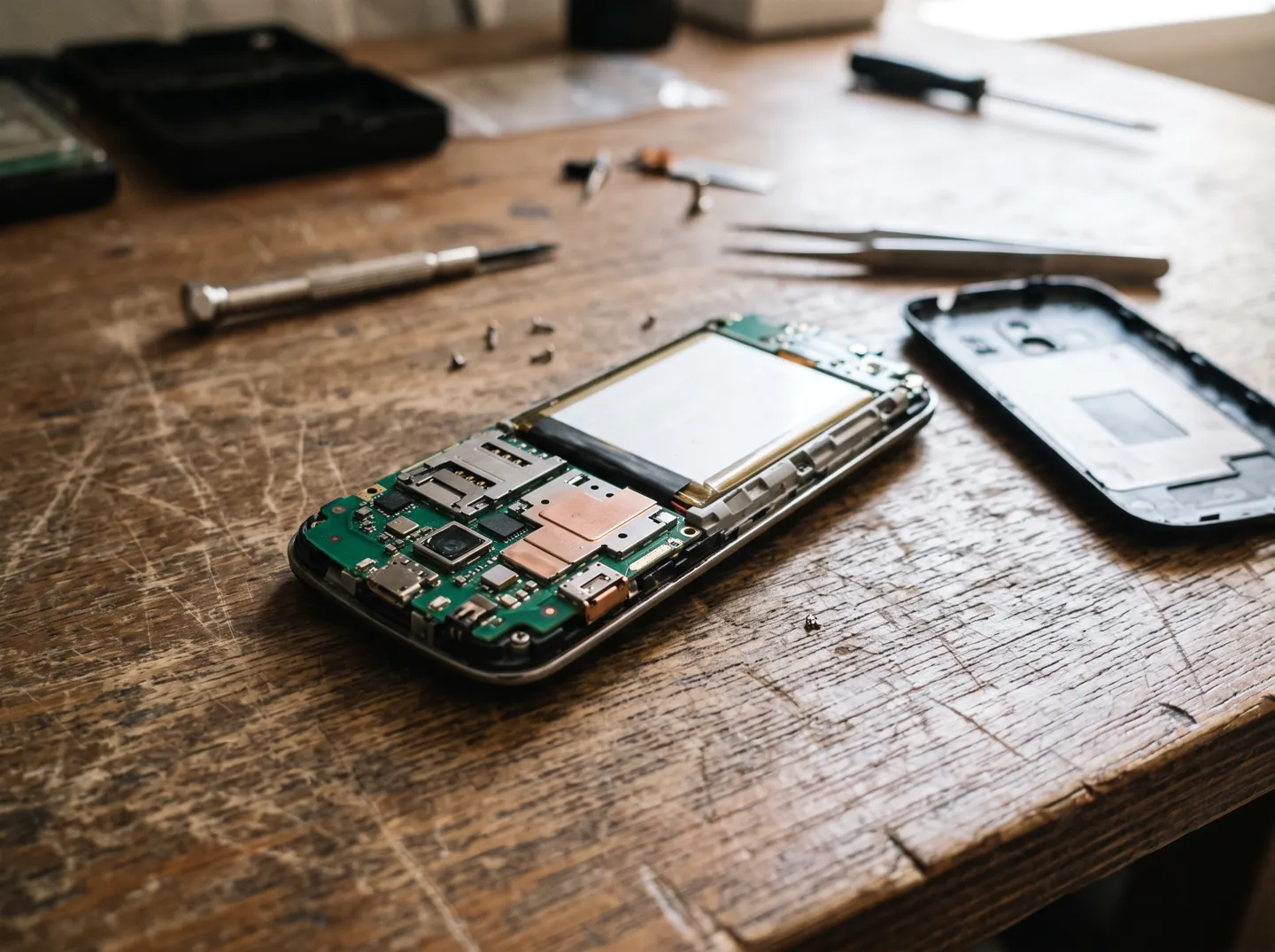
The NSW Government says the average mobile phone contains over 25 metals sourced from mineral deposits.
See the numbers03A QUICK ELEMENT CHECK
Pick an everyday thing to see which elements build it. The bar shows how many different elements it needs.
Based on OpenStax Anatomy and Physiology, Action on Salt, Live Science and the NSW Government periodic table of mobile phones.
04TWO NUMBERS WORTH KNOWING
One figure on you,
one on the phone in your pocket.
≈ 97%
Body weight from just four elements
Oxygen alone is 65% to 67% of body weight, mostly as the O in water. Carbon is around 18% to 19%, hydrogen 9% to 10% and nitrogen around 3%.
YOUR BODY · LIVE SCIENCE
25+ metals
Metals in an average mobile phone
The New South Wales Government's periodic table of mobile phones says the average phone contains over 25 metals sourced from mineral deposits.
YOUR PHONE · NSW GOVERNMENT
IUPAC approved names for elements 113, 115, 117 and 118 on 28 November 2016, completing the seventh row of the periodic table. OpenStax counts 92 elements found in nature.
05FOUR THINGS TO SPOT
No lab needed. A periodic table, a kitchen cupboard and an old phone in a drawer are enough to start.
Every glass of water is hydrogen and oxygen: two hydrogen atoms for each oxygen atom.
Table salt is sodium chloride. Find sodium (Na) and chlorine (Cl) on the periodic table.
IUPAC publishes the periodic table as a free PDF. Each element has a one- or two-letter symbol, like Ca for calcium.
An old phone still holds its metals, from lithium to tin. Hand it on for reuse or recycling rather than leaving it in a drawer.
06HYDROGEN'S PUZZLE
There are more hydrogen atoms in your body than atoms of any other element, yet hydrogen is only 9% to 10% of body mass.
The reason is weight per atom: oxygen and carbon atoms weigh nearly 16 and 12 times as much as a hydrogen atom. It takes 16 hydrogen atoms to match the mass of one oxygen atom.
07Questions
A pure substance that cannot be created or broken down by ordinary chemical means. Elements combine to form compounds, such as water and glucose.
The periodic table runs to element 118, oganesson. IUPAC approved the names of elements 113, 115, 117 and 118 in November 2016, completing the seventh row. OpenStax counts 92 elements found in nature.
By weight, mostly oxygen, carbon, hydrogen and nitrogen, together about 97%. Oxygen leads because the body is around 50% to 60% water.
Calcium makes up about 1% to 2% of body mass, and more than 99% of it is in the bones and teeth, according to the US National Institutes of Health as cited by Live Science.
Different parts do different jobs: the battery, screen, circuit board and speaker each use different materials. The NSW Government says an average phone contains over 25 metals.
08Sources
ABOUT THIS NAME
doodleeverything.com is part of the DoodleSale portfolio. It isn't in an auction right now, but you can ask about leasing it.